

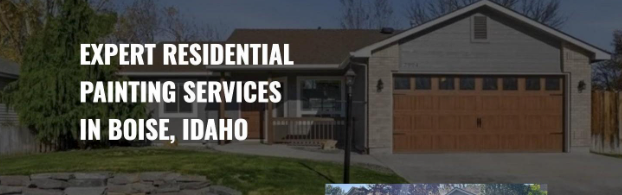
Local painters in Boise, Idaho are easy to find and hard to vet, which is exactly why Scotty's Painting LLC put together this homeowner's guide. I'm part of the crew that has been serving Boise since 2011, and I have walked into more than a few jobs where a previous painting contractor in Boise, Idaho cut corners on prep work. If you are comparing house painters near me for an exterior repaint, an interior refresh, or cabinet painting , the difference between a good result and a redo almost always comes down to five things. Here is what I tell every Boise homeowner who calls us for a quote.
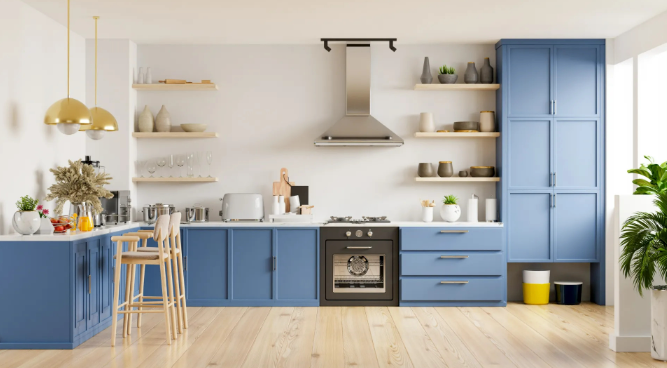
Professional kitchen cabinet painters in Boise, ID. Scotty's Painting LLC delivers a factory-smooth finish, licensed and insured. Call today for a free estimate.
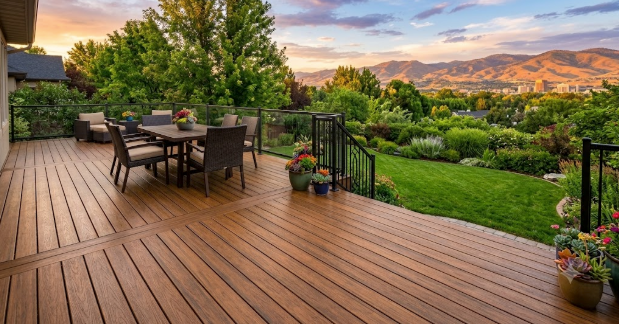
Wondering which deck stain offers the best protection and appearance? Discover the best deck staining Boise, Idaho options with Scotty's Painting LLC. Get a free estimate today.
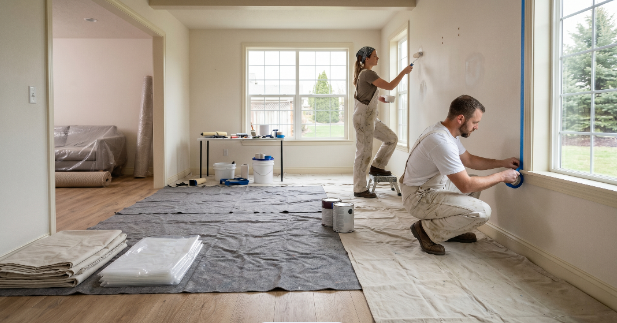
Get a flawless finish with this Boise interior painting checklist. Trust Scotty’s Painting LLC for expert prep, paint & results. Contact us today!
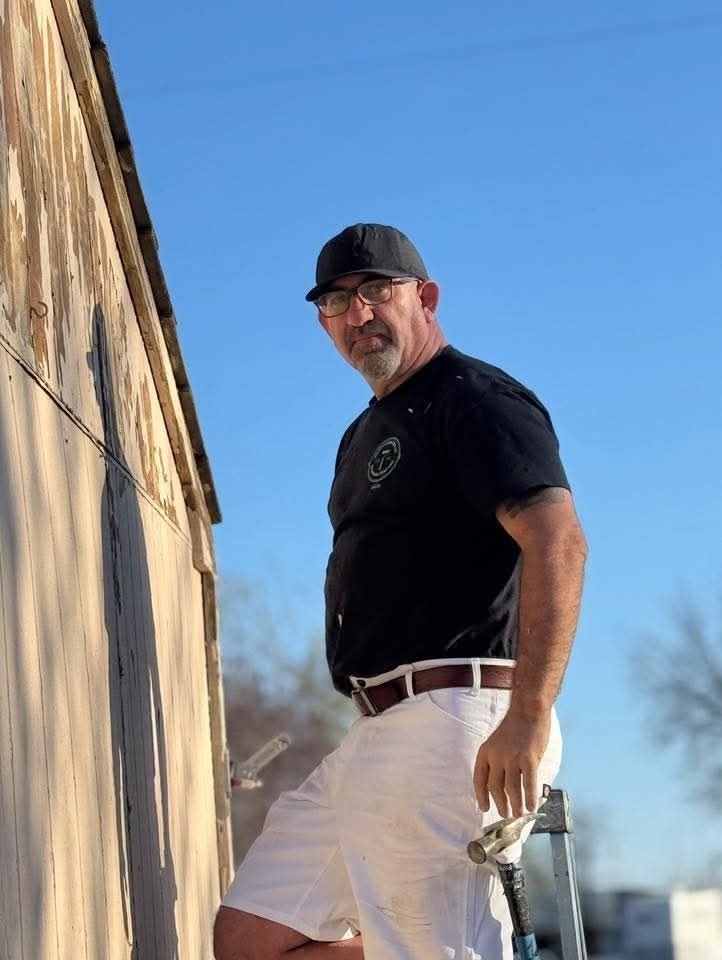
Finding reliable painters in Boise, Idaho , can feel overwhelming, especially when your home’s appearance and value are at stake. A poor paint job doesn’t just look bad; it can peel, fade, and cost you more money in the long run. The good news? With the right approach, you can confidently choose professional painters who deliver high-quality, long-lasting results. Let’s break down exactly how to make the right choice.
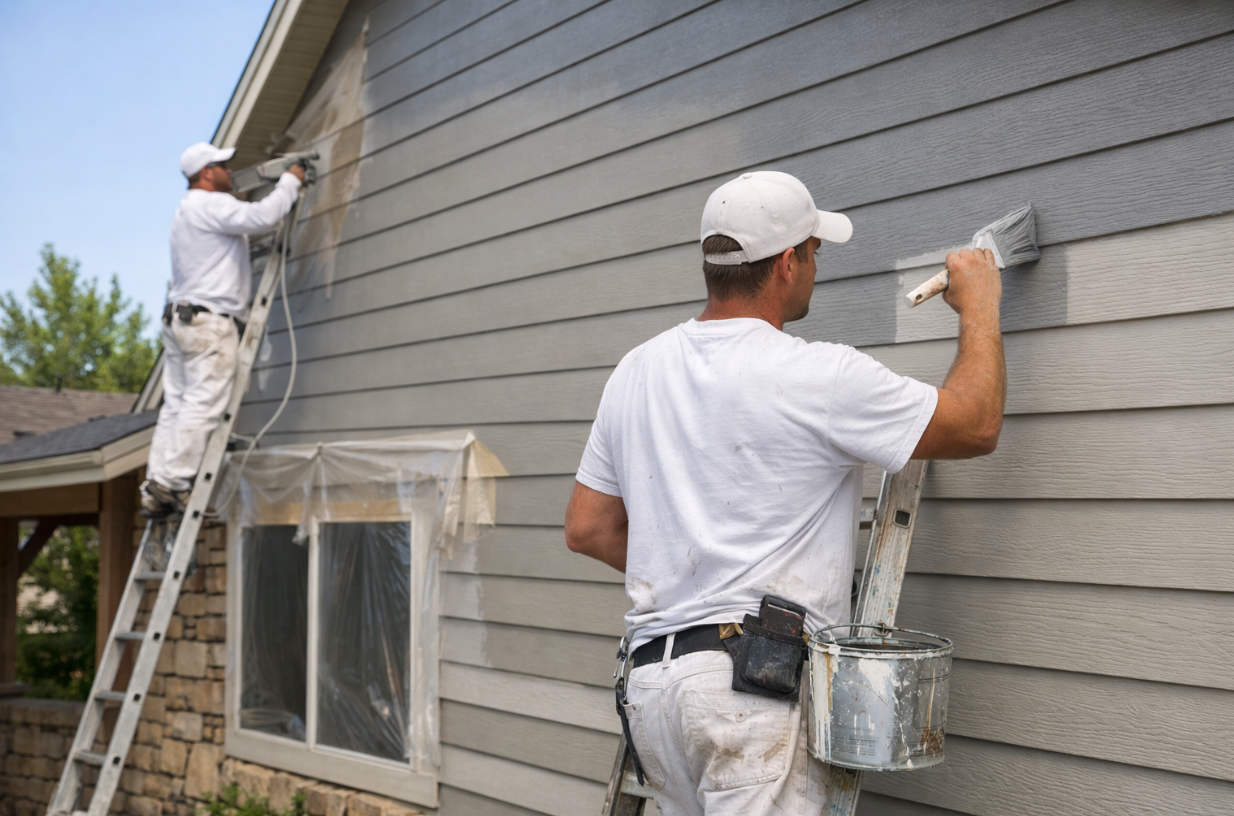
Exterior home painters in Boise, Idaho deliver durable finishes and curb appeal. Hire trusted local experts for long-lasting results. Get a free quote today.
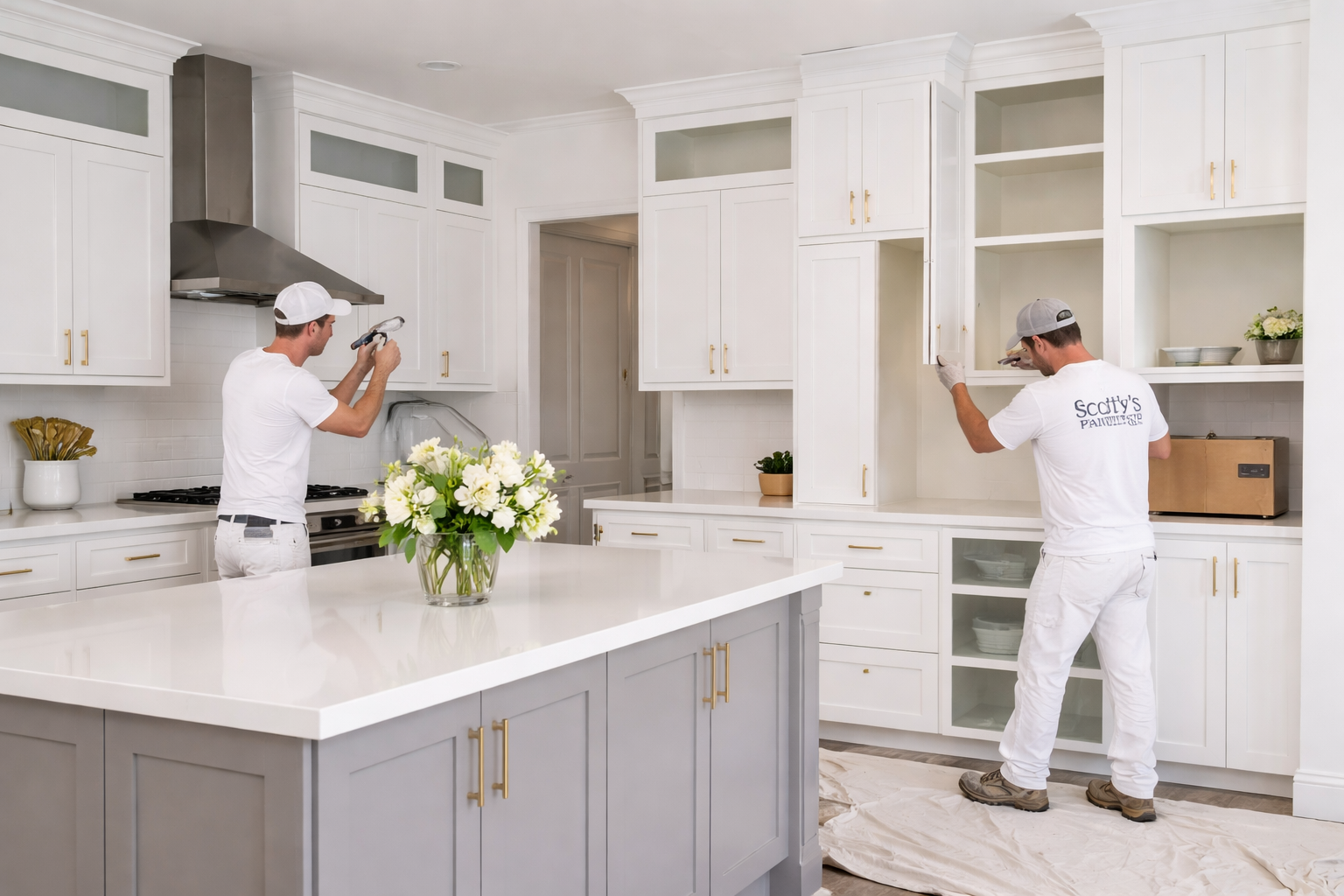
Cabinet Painting Boise by trusted local experts. Refresh your kitchen with affordable refinishing services from Scotty's Painting LLC. Request a free estimate today.

A fresh coat of paint does more than update color—it changes how your home feels. Residential interior painting services in Boise help homeowners refresh spaces, increase comfort, and add long-term value without major renovations. At Scotty’s Painting LLC , we help Boise homeowners turn dated interiors into clean, modern, and welcoming spaces using proven painting techniques and premium materials. What Makes Professional Residential Interior Painting Worth It? Professional painting delivers results DIY projects often miss. With expert painters, you get: Smooth, even coverage Clean lines with no splatter Proper surface preparation Long-lasting finishes Minimal disruption to your home Boise homeowners choose professional painters to avoid peeling paint, uneven walls, and costly redo work. How Do Residential Interior Painting Services Improve Your Home? Can Interior Painting Increase Home Value? Yes. Fresh paint improves buyer appeal and can increase perceived home value by 3–5% , according to real estate staging studies. Does Interior Painting Improve Comfort? Absolutely. Updated colors brighten rooms, improve mood, and make homes feel cleaner and more inviting. Does Paint Protect Your Walls? High-quality interior paint protects walls from moisture, stains, and everyday wear—especially in high-traffic areas. What Services Are Included in Residential Interior Painting? Scotty’s Painting LLC provides: Wall and ceiling painting Trim, doors, and baseboards Cabinet painting Drywall repair and patching Color consultation Whole-home interior painting Internal Links: Interior Painting Services – https://www.scottyspaintingllc.com/services Contact Scotty's Painting LLC – https://www.scottyspaintingllc.com/contact-us Why Hire Local Boise Interior Painters? Before scheduling your project, consider: Room usage and lighting Color preferences Wall condition Timeline Budget expectations A professional consultation ensures a smooth, stress-free experience. How Much Do Residential Interior Painting Services Cost in Boise? Pricing depends on: Room size Surface preparation needs Paint type Project complexity Professional painting saves money long-term by reducing touch-ups and repainting. Why Boise Homeowners Trust Scotty’s Painting LLC Years of local painting experience Skilled and insured professionals High-quality materials Transparent estimates Commitment to customer satisfaction Scotty's Painting LLC has built a reputation as a trusted residential painting company serving Boise and surrounding communities. 📞 Schedule your free interior painting estimate today: Contact Scotty's Painting LLC Maintenance Tips to Keep Your Newly Painted Interior Looking Great After your painting project is complete, here are a few tips to maintain your freshly painted home Clean walls gently with mild soap Address scuffs and marks early Maintain indoor humidity levels Avoid harsh chemicals on painted surfaces Plan touch-ups as needed Service Areas Proudly serving homeowners across: Boise, Idaho Meridian Eagle Nampa Kuna Garden City The entire Treasure Valley region 📞 Get Your Free Estimate Today! Start your interior painting project with the trusted painters at Scotty’s Painting LLC. Contact us now to schedule your free consultation https://www.scottyspaintingllc.com/ Quick Summary Scotty’s Painting LLC offers professional residential interior painting services in Boise, helping homeowners refresh spaces, improve comfort, and boost home value. This guide explains how expert painting delivers smooth finishes, long-lasting protection, and stress-free results compared to DIY projects. Covering services like wall painting, trim work, cabinet painting, and drywall repair, the blog highlights why local Boise painters provide faster service and better results. Homeowners learn what to expect before starting a painting project, cost factors, and how professional interior painting transforms homes across the Treasure Valley. Key Takeaways Interior painting is one of the fastest home upgrades Professional painters deliver longer-lasting results Fresh paint increases home value and comfort Local Boise painters provide better service and reliability Scotty’s Painting LLC offers trusted, high-quality results External Authority Links: U.S. Environmental Protection Agency – Safe Painting Practices https://www.epa.gov/lead/renovation-repair-and-painting-program FREQUENTLY ASKED QUESTIONS:
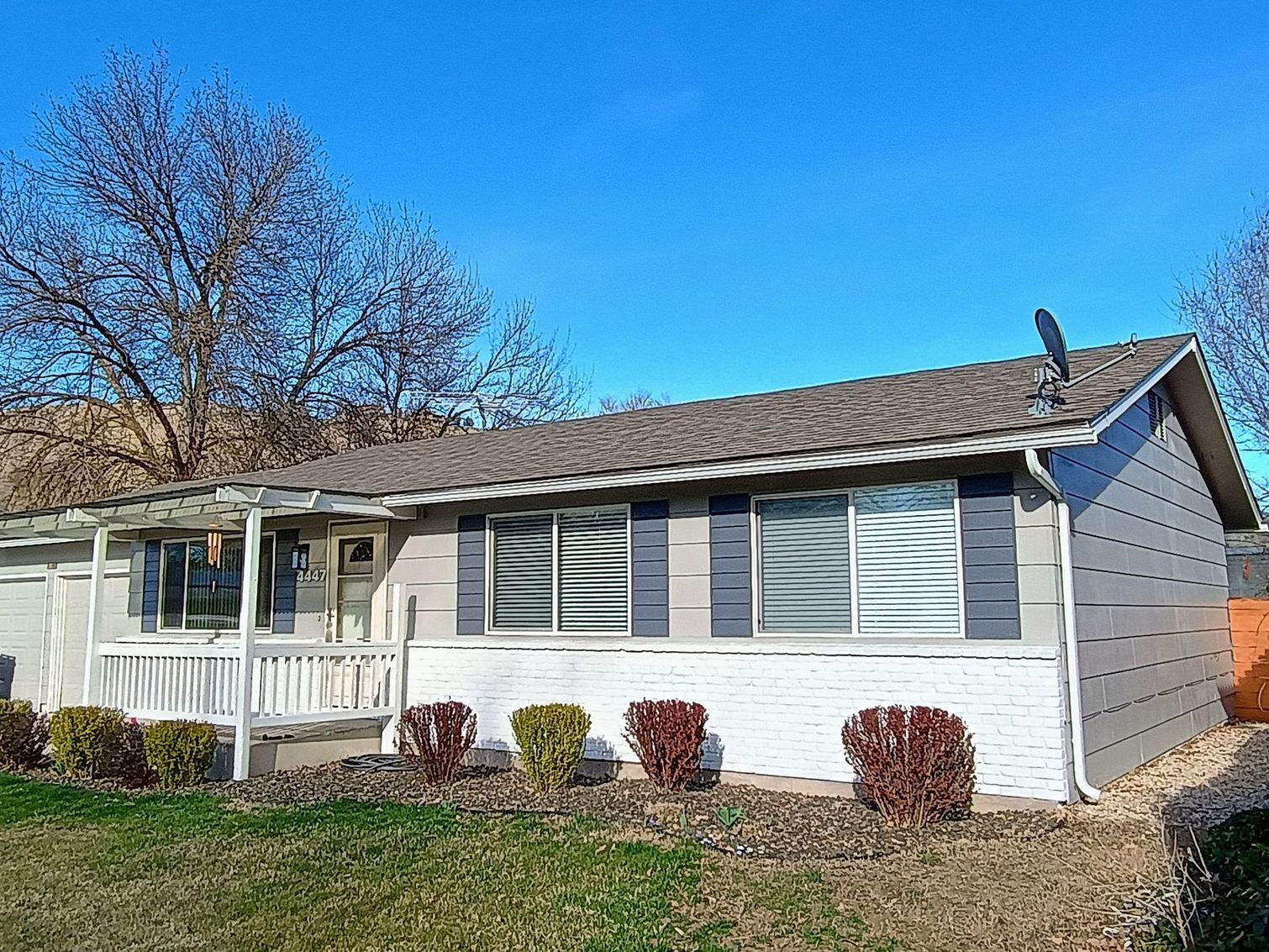
Choosing just any painter can turn your home improvement project into a hassle you didn’t expect. When you pick a trustworthy painting partner, the whole process feels different—smoother, clearer, and more rewarding. In Boise, ID, finding local painting services that stand by their word and care about your home means you get quality work plus support for veterans and law enforcement. Let’s explore why the right partner changes everything—and how Scotty’s Painting LLC makes that happen. For more on the benefits of hiring a professional, check out this resource . Importance of a Trustworthy Painting Partner
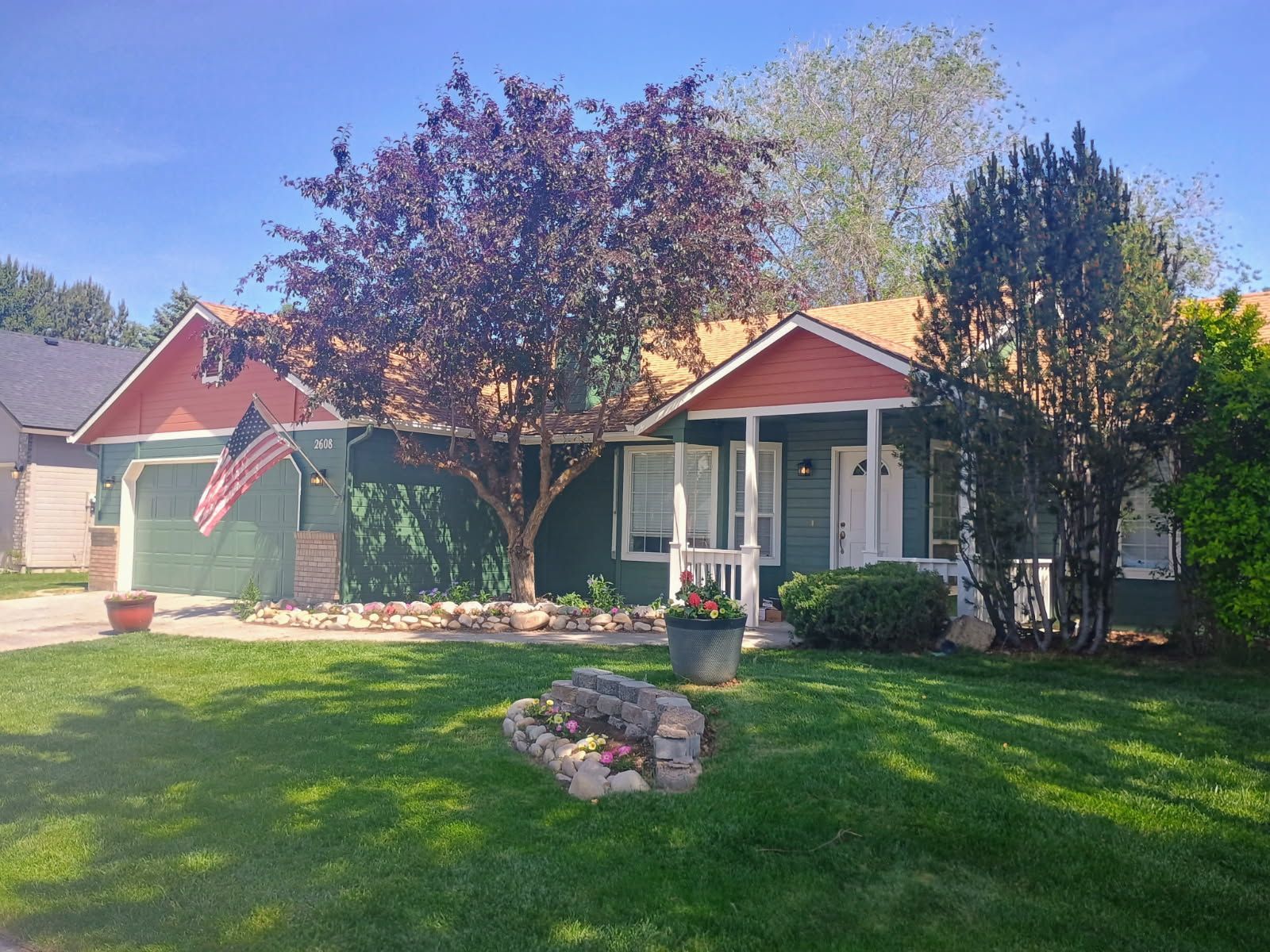
Picking the right paint finish can make or break your home's look—and many Boise homeowners get it wrong. Choosing finishes for Boise homes isn’t just about color; it’s about durability, style, and how each surface will hold up over time. This paint finish guide will help you spot the best paint finish for home walls, cabinets, or siding so your next project looks flawless and lasts longer. Understanding Paint Finish Selection
